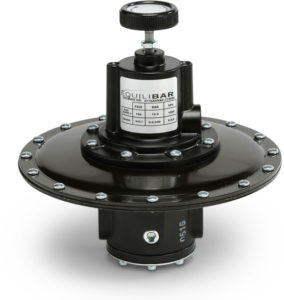


LPR2 Ultra Low Pressure Reducing Regulator
| Port Sizes: |
|
||||
| Max Pressure (Std Body Mat’l) |
|
||||
| Body Material (Standard): |
|
||||
| Body Material (Optional): |
|
||||
| Key Applications: |
|
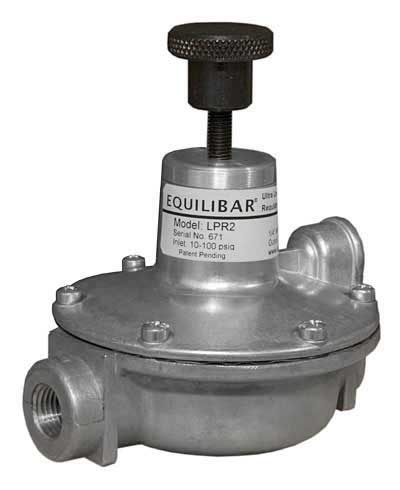
LPR2 Ultra Low Pressure Reducing Regulator
The Equilibar LPR2 is a manually adjustable pressure reducing regulator for inert gas or air in applications that are static or require ultra-low flow rates. The LPR2 accepts a 5-30 psig regulated gas supply and regulates the pressure to a reduced value based on the setting on the adjustable hand knob. The LPR2 is a non-relieving regulator. A small bleed to atmosphere orifice may be integrated for applications that do not consume downstream gas.
LPR2 Ultra Low Pressure Reducing Regulator
LPR2 Ultra Low Pressure Reducing Regulator
LPR2 Ultra Low Pressure Reducing Regulator
- Low pressure glovebox control
- low pressure pilot control regulator for Equilibar back pressure regulator
- Ultra low pressure control downstream of an air compressor
LPR2 Ultra Low Pressure Reducing Regulator
Weight:
1.2 lbs (0.54 kg)
Dimensions:
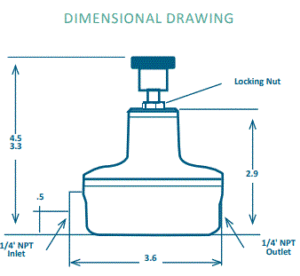
Dimensions in inches
Fitting/Threads:
Standard: NPT
LPR2 Ultra Low Pressure Reducing Regulator
Related Products
Series 3000 High Pressure Reducing Regulator