


Pressure Reducing Regulators for Air and inert gases
Pressure Reducing Regulators (PRR) are the most common type of pressure regulator. They reduce an unregulated inlet pressure down to a desired regulated outlet pressure ( learn more).
The manual PRRs listed below are recommended for use as pilot pressure regulators for Equilibar back pressure regulators. All PRRs listed are designed for use with air or inert gas* and have a small but significant weep to the atmosphere.
Contact an application engineer for assistance in selecting the ideal Pressure Reducing Regulator for your application.
Pressure Reducing Regulators | ||
|---|---|---|
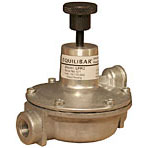 LPR2 | model output ranges:0.3 – 7 inH20 / 0.75 – 17 mbar(g) | LPR2: Ultra Low Pressure Regulator
|
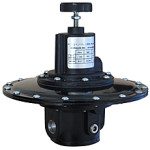 Model 41 | model output ranges:0 – 0.7 psig / 48 mbar(g) | Model 41: High Flow Low Pressure Regulator
|
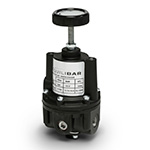 | model output ranges:0 – 2 psig / 0.1 bar(g) | Model 10: Medium Pressure Regulator
|
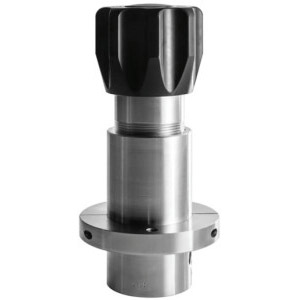 Series 3000 | model output ranges:5 – 250 psig / 0.3 – 17 bar(g)
| Series 3000: High Pressure Gas Regulator
|
* Note: All pressure regulators listed are designed for air service and have a small but significant weep to the atmosphere (see specific product brochure for details). Customers may consider adapting one of these air regulators for inert gas service provided they deploy the devices in a well ventilated space and are technically competent to analyze all the potential risks associated with the installation.