


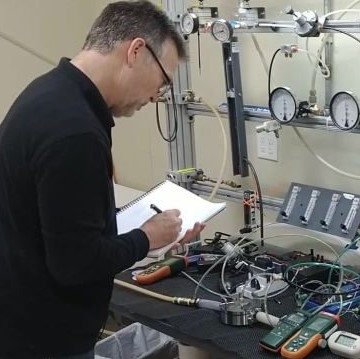
By Jeff Jennings
Modern vacuum processes have had an impact on the world that is difficult to overstate. The manufacturing of smartphones, solar panels and silicon chips would not be possible without vacuum technology. In recent decades, the use of vacuum technology for chemical processes has also become more important, specifically for pharmaceutical, research, food, and environmental efforts. Due to harsh chemistries as well as additional complexities, chemical vacuum control often requires an alternative approach beyond conventional valves and regulators. In this article for Processing Magazine, Jeff Jennings discusses innovative options.